
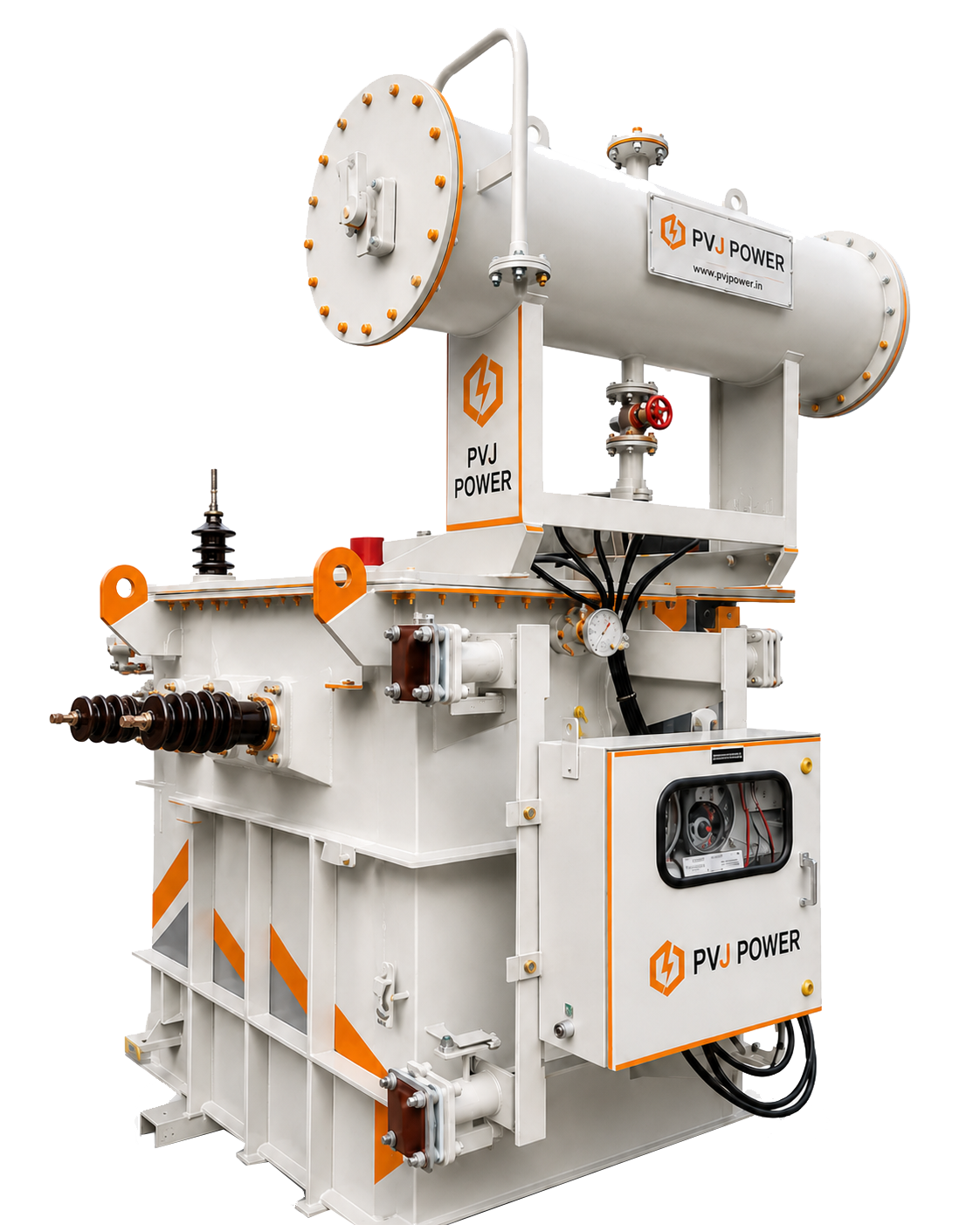
Oil type transformers are robust electrical assets, but many avoidable site issues begin during receipt, unloading or short-term storage. A clean receiving checklist, correct lifting method and basic storage discipline can protect the transformer, accessories and site team before commissioning work begins.
1. Receiving checklist after transformer receipt
The transformer should be checked immediately after receipt. Any shortage or visible damage should be reported within 24 hours of transformer receipt.
Check the main tank for transport damage.
Check the main tank for paint damage, rust or visible surface deterioration.
Match rating plate details with shipping documents before unloading clearance.
Confirm that all accessories are received as per scope, including WTI, PRD and other fittings.
Inspect bushings and connectors for cleanliness and cracks.
Check the marshalling box for physical damage and confirm that connections are intact.
Any shortage or damage must be reported within 24 hours of transformer receipt.
2. Correct unloading and lifting method
Lifting should be planned before the vehicle is unloaded. Underrated lifting equipment can cause transformer damage, lifting equipment failure and personnel injury.
Crane or lifting gear
Use adequate lifting equipment
Only use a crane or lifting equipment with suitable capacity for the transformer weight.
Rating and diagram plate
Verify transformer weight
Refer to the rating and diagram plate for exact transformer weight details before planning the lift.
Complete transformer lift
Lift the complete unit from side lugs
Use side lifting lugs or bollards provided on the sides of the tank when lifting the complete transformer.
Top cover handling
Use top cover lugs only for the cover
Top cover lugs are meant only to lift the top cover. Do not use top cover lugs to lift the complete transformer.
3. Storage practices before installation
If the transformer is not installed immediately, storage conditions become important. Moisture, rough handling and unstable placement can affect site readiness.
Dry, covered and stable
Transformer and accessories
Store accessories and fittings in a dry covered area. Keep the transformer on a flat and stable surface, and check that there are no signs of rough handling or damage.
Longer storage
Breather
If storage exceeds two weeks, fit the breather to protect the transformer during storage.
Covered storage
Transformer oil drums
Store oil drums in a covered area and avoid temperature fluctuations as far as possible.
Final safety note
Follow all applicable safety procedures and use PPE during handling and storage. Site teams should coordinate the unloading plan with the crane operator, transporter and electrical contractor before lifting begins.